No products in the cart.
Lab-Grown vs Natural Diamonds: Why Choose Lab-Grown?
Compare lab-grown and natural diamonds, from origin and appearance to price and certification. Find the choice that suits your jewellery and priorities.
When you choose a diamond, its story matters alongside its appearance. Lab-grown diamonds appeal to people who want diamond jewellery with a laboratory-grown origin and room to explore their preferred size and design. Natural diamonds appeal to those who particularly value geological origin. Understanding the difference makes the decision more personal.
Lab-grown and natural diamonds compared
Both are diamonds. GIA explains that laboratory-grown diamonds have essentially the same chemical, physical and optical properties as natural diamonds. Their origin is different: one grows through a controlled technological process, while the other forms in the Earth. Read GIA’s explanation of diamond origins.
| Consideration | Lab-grown diamond | Natural diamond |
|---|---|---|
| Origin | Grown in a laboratory, commonly using HPHT or CVD technology | Formed through geological processes within the Earth |
| Material | Diamond, with essentially the same key properties as natural diamond | Diamond of natural origin |
| Identification | Origin can be established through specialist laboratory testing | Specialist testing can confirm natural origin |
| Shopping decision | Compare the actual stone, setting, report and current price | Compare the actual stone, setting, report and current price |
Why choose a lab-grown diamond?
More possibilities within your budget
Lab-grown diamonds generally cost less than natural diamonds of comparable quality. That can give you more flexibility when choosing a stone or setting. Prices vary: compare current quotes for the complete piece rather than relying on a fixed percentage saving. GIA discusses the distinction between lab-grown diamonds and diamond simulants, including their typically lower price point.
Start with the total amount you want to spend. Then compare what matters most to you: the size on the hand, a particular diamond shape, the metal or the setting detail. A bigger stone is one option; a more understated stone in your favourite design can be just as personal.
A diamond with a laboratory-grown origin
If you prefer a laboratory-grown stone, clear disclosure lets you choose that origin deliberately. Ask which diamond a report covers and how the supplier documents its sourcing. You can read about Oscar & Co’s approach on our About Us and Our Promise pages, or ask about the particular piece you like.
A choice for an engagement ring or everyday jewellery
The meaning comes from the piece you choose and the occasion it marks. Explore lab-grown diamond engagement rings for a proposal, or use our diamond stud earrings guide to compare a pair for everyday wear.
When might you prefer a natural diamond?
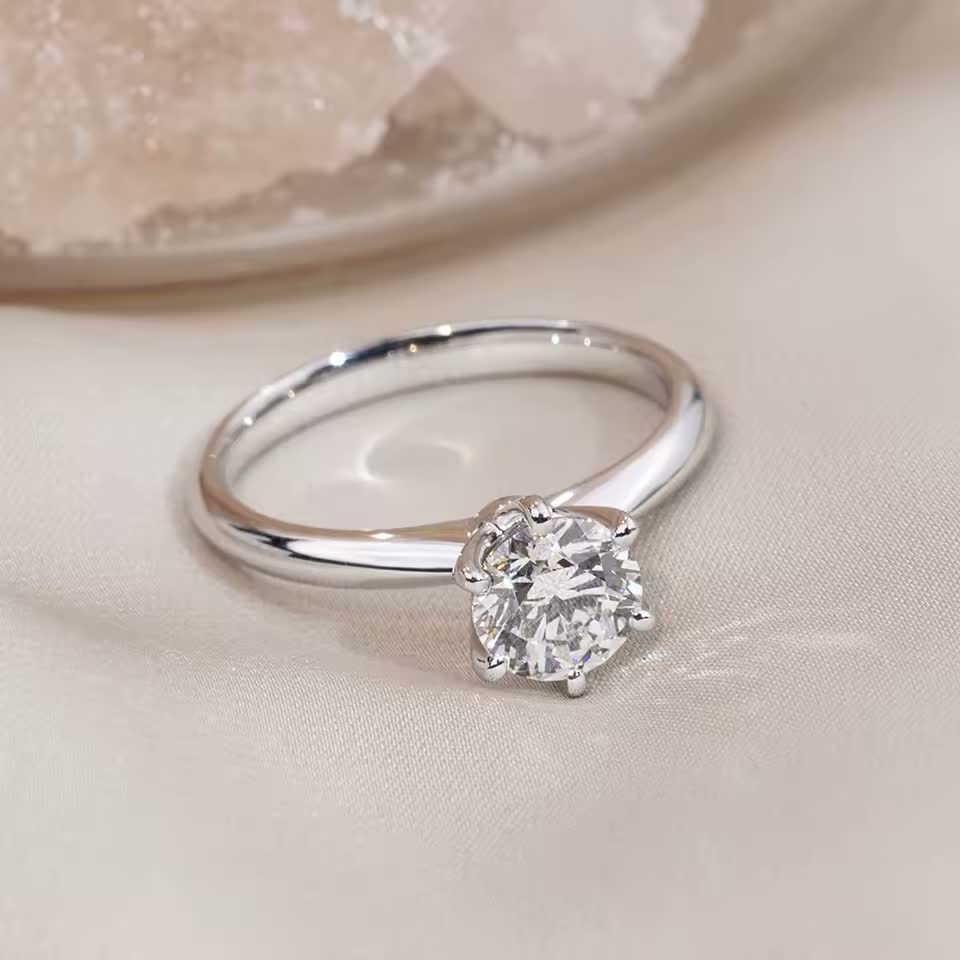
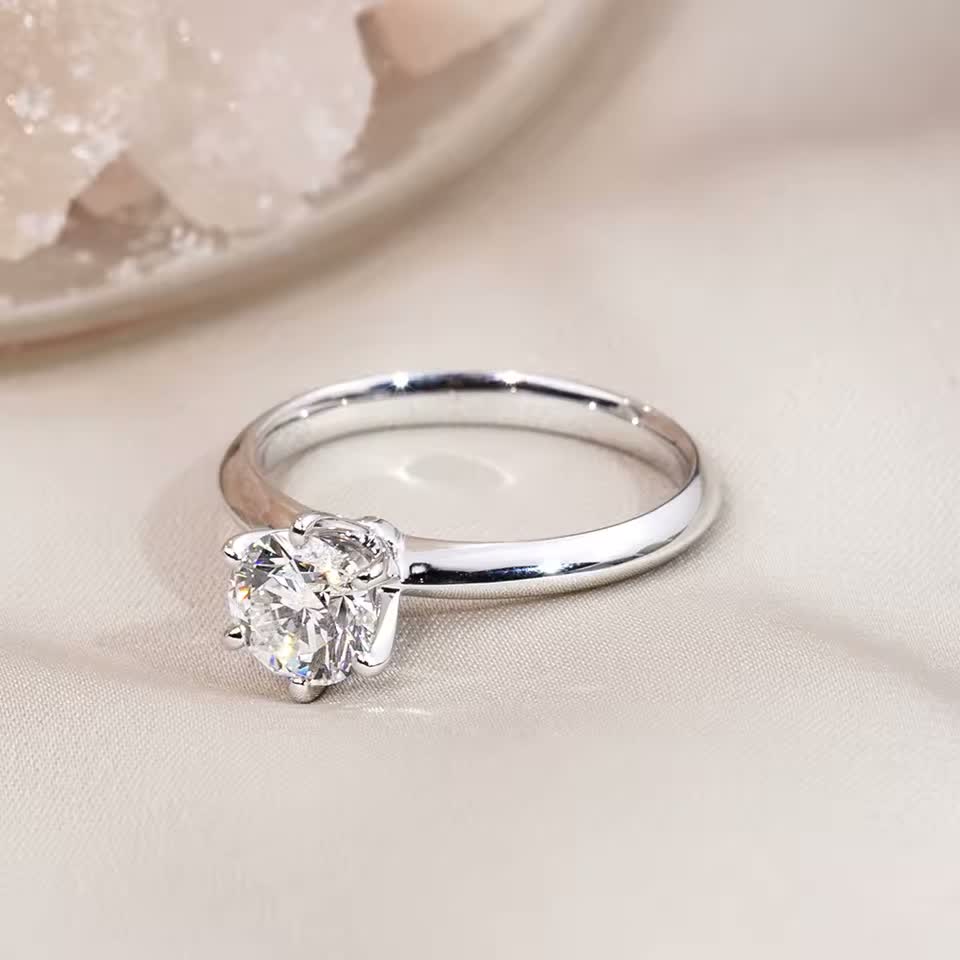
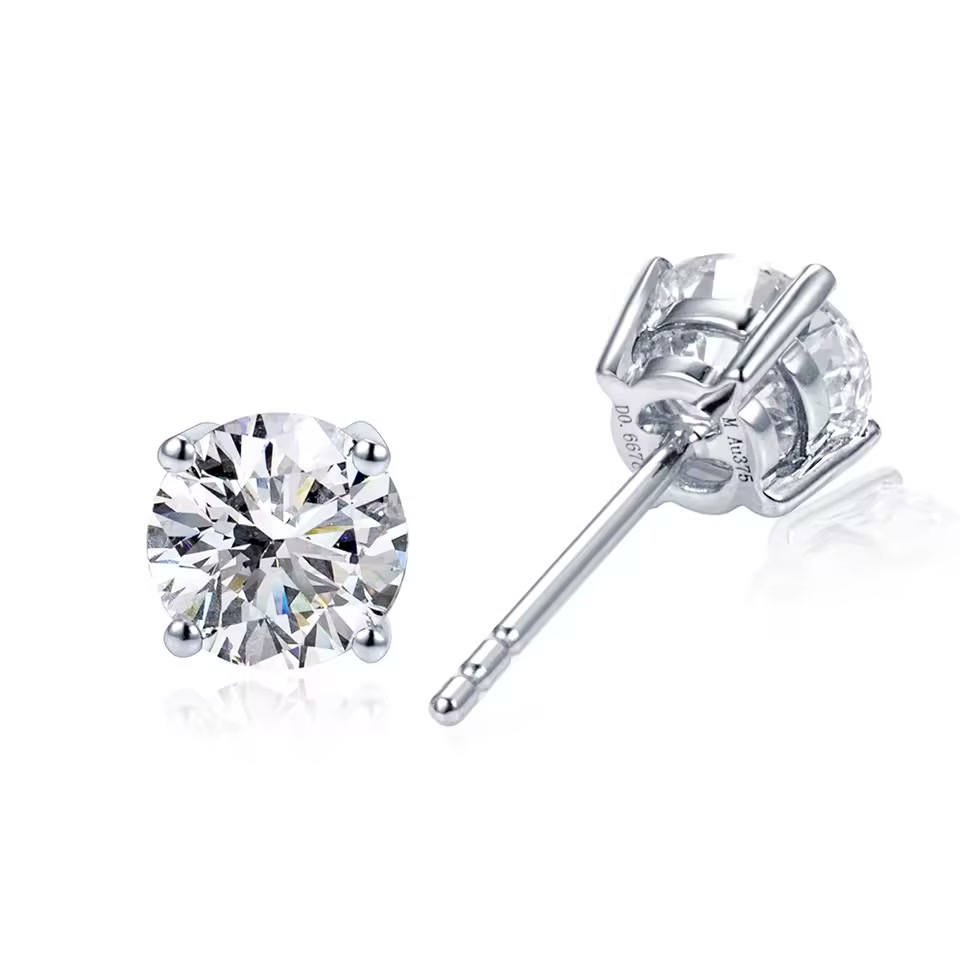
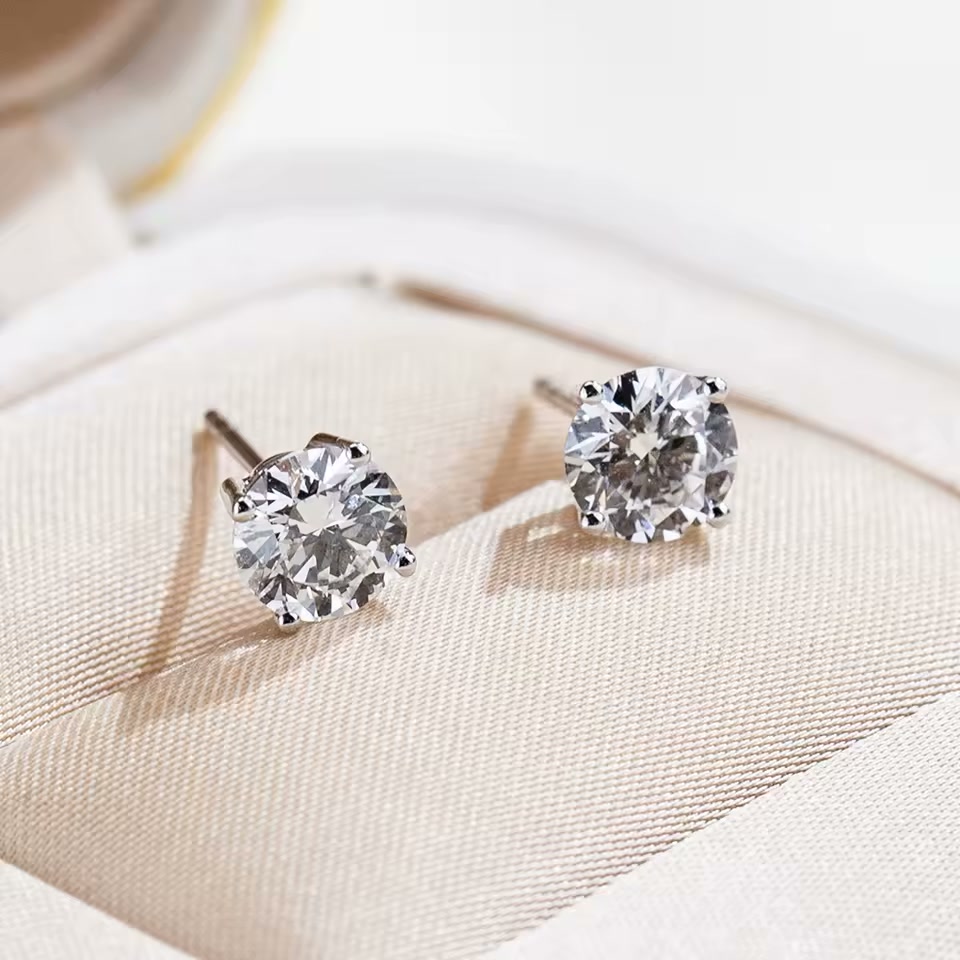
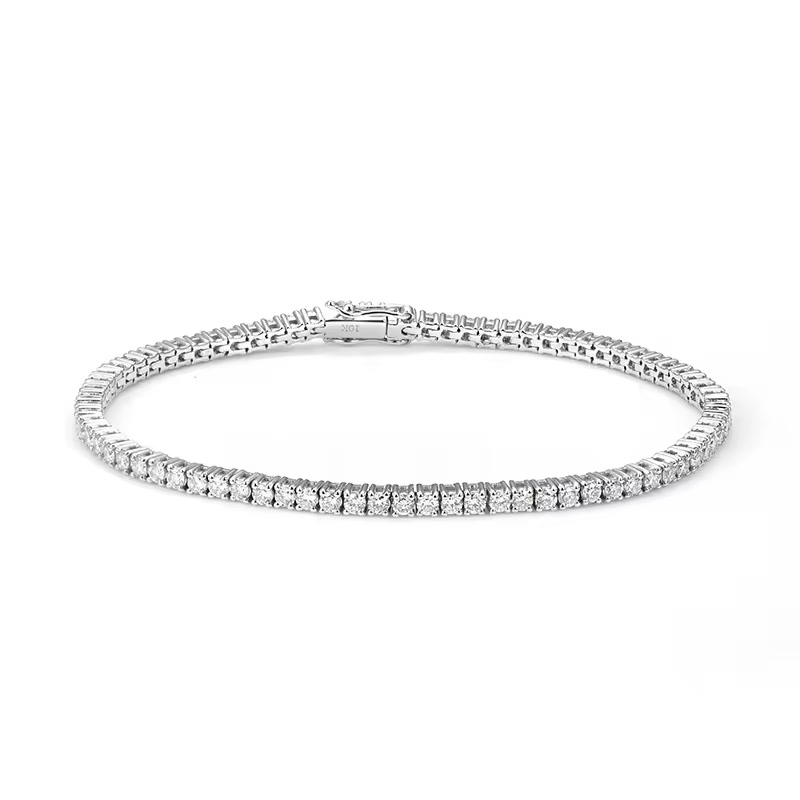
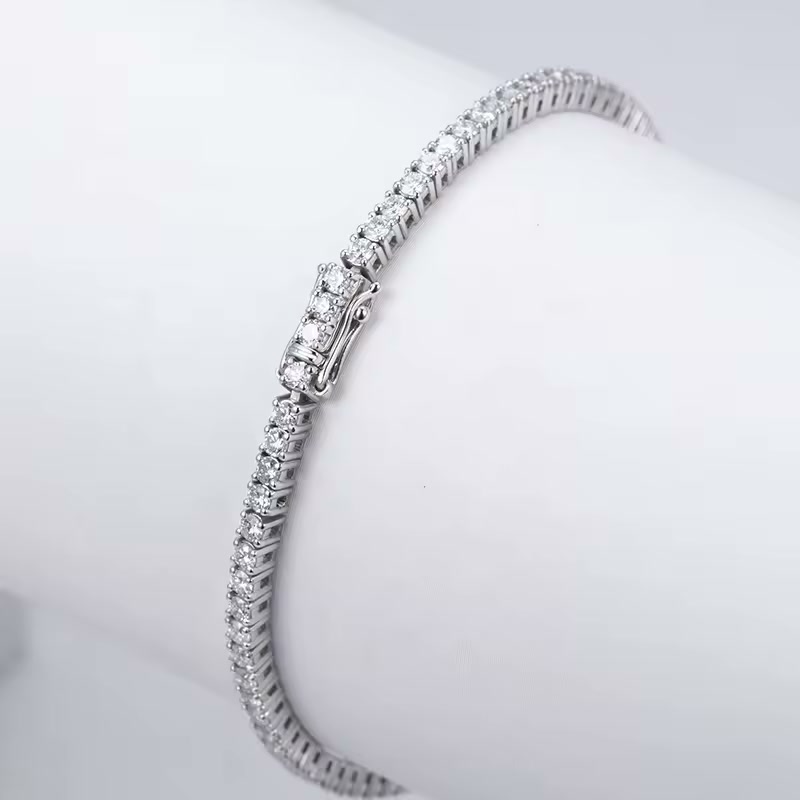
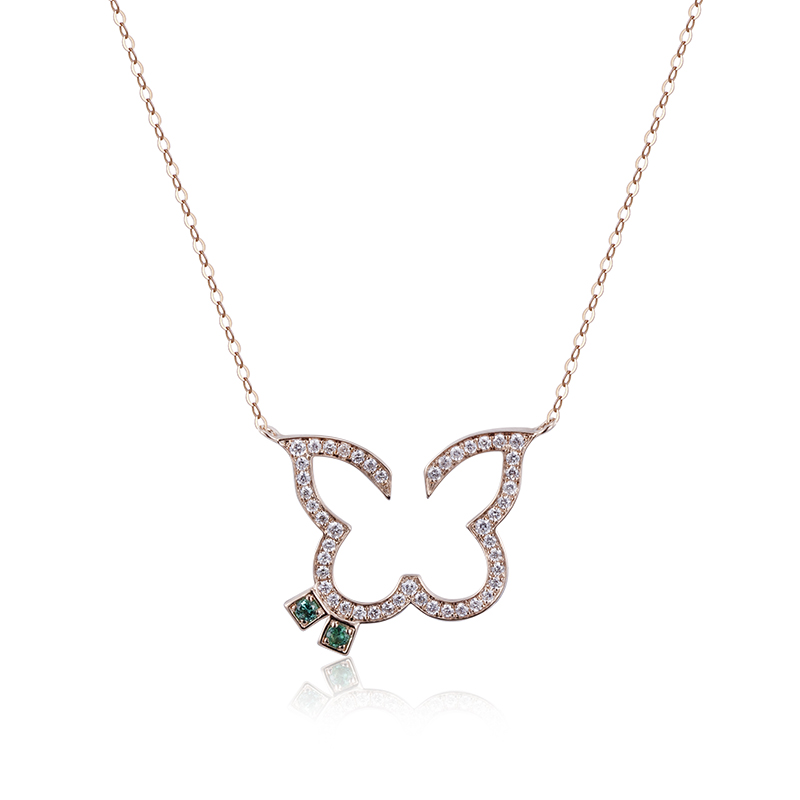
If geological origin is an essential part of what you want to celebrate, a natural diamond may suit your preferences better. Be clear about that priority before comparing pieces. Oscar & Co’s collection focuses on lab-grown diamonds; the jewellery featured below is lab-grown.
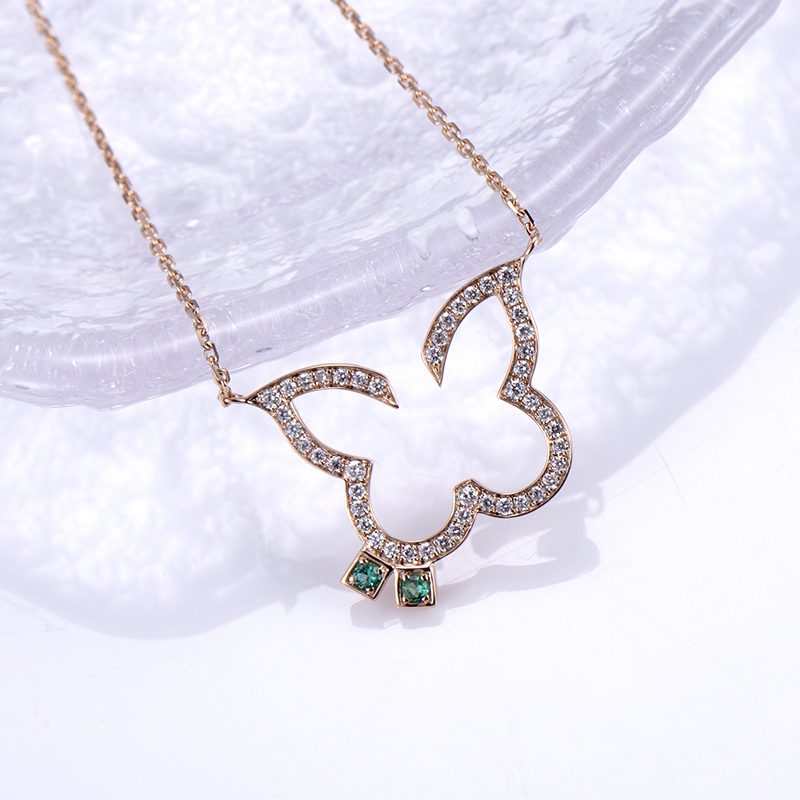
Explore Oscar & Co lab-grown diamond jewellery
Questions about lab-grown diamonds
Are lab-grown diamonds the same as moissanite?
No. Moissanite is a different material used as a diamond simulant. A lab-grown diamond is diamond. GIA’s guide to simulants and lab-grown diamonds explains the distinction.
Can you tell the origin by looking at a diamond?
Appearance alone is not a reliable way to establish origin. GIA describes specialist testing used to distinguish natural and laboratory-grown diamonds. Check the product description and report rather than relying on a visual guess.
What should I check before ordering?
Confirm the stone’s stated origin, measurements and quality details; the selected metal; and which stones or jewellery the certification covers. For a proposal, read our engagement ring buying guide and check sizing and timing.
Ready to find your piece? Explore lab-grown diamond jewellery or ask Oscar & Co about a design.